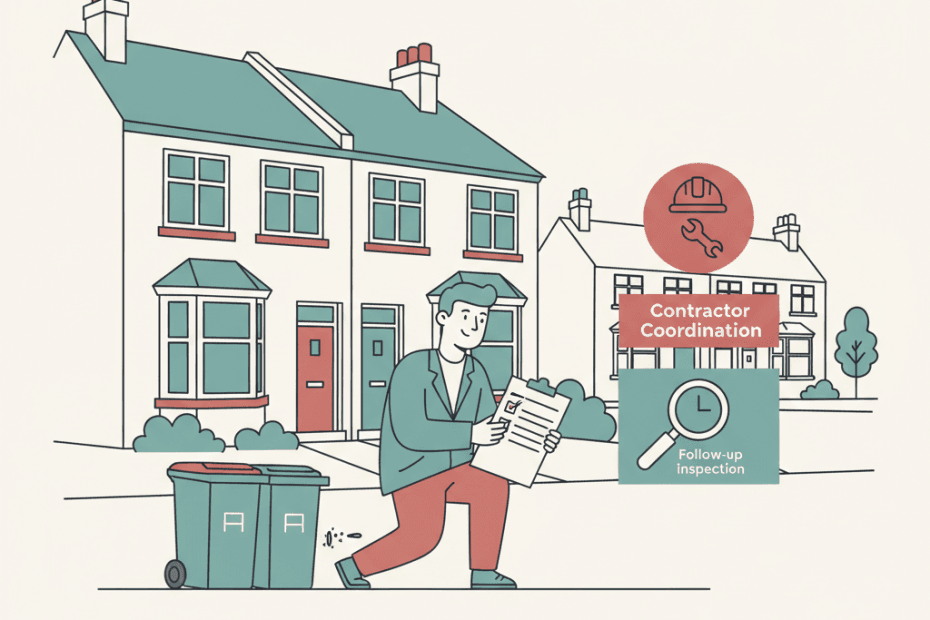
The Housing Ombudsman has published two wider-order findings on pest infestation cases, calling them a significant learning opportunity for landlords.
The update, published on 16 June 2026, concerns two social landlords: Guinness Partnership and the London Borough of Hammersmith and Fulham. In both cases, the Ombudsman used wider-order powers to require an independent review beyond the individual complaint, so the landlord had to look at underlying service issues and not just the single household affected.
For private landlords, the cases are still worth reading. They show how pest reports can become serious housing-condition complaints when responsibility is unclear, records are weak, contractors are not coordinated, or repeated visits do not lead to a clear plan. Pests are not only a nuisance issue. They can affect children, vulnerable residents, health, comfort and the tenant’s ability to use the home normally.
Why the Ombudsman focused on pests
The Ombudsman said both cases involved severe impact on households, including children. One complaint involved mice infestation and long delays to works. Another involved bed bugs, limited escalation and too little consideration of alternative treatment methods.
The key lesson is that pest reports need active case management. A landlord may use a pest-control contractor, a repairs contractor, a managing agent, a freeholder or a local authority service, but the tenant still needs one joined-up response. Where each party waits for another to act, the problem can continue for weeks or months while evidence becomes harder to track.
Richard Blakeway, the Housing Ombudsman, said there can be confusion over responsibility between landlord and resident, and that insects can be under-recognised compared with rats and mice. He also noted that the pest hazard will eventually come under Awaab’s Law, making preparation and proactive action important.
What changed after the cases
Guinness Partnership updated its pest procedure so it recognised responsibility for reports of pests accessing homes from communal areas, rather than only pests reported within communal areas. It also improved systems for recording post-works inspections, created a complex repairs team, reviewed contractor processes and provided training to repairs teams.
Hammersmith and Fulham created a new pest-control policy, expanded the use of specialist contractors where alternative treatment methods are needed, updated resident guidance, added support for households with vulnerabilities, delivered public-health-led training and introduced a pest-control dashboard to improve records and identify repeat visits.
The practical direction is clear: landlords need policies that explain responsibility, systems that show what has happened, and escalation routes when ordinary treatment has not solved the problem.
The private landlord angle
Most small private landlords will not have the same structure as a housing association or council landlord. That does not make the lesson less relevant. A private landlord may have fewer layers, but the same risks appear quickly when a tenant reports pests and the response is informal.
The first question is where the infestation may be coming from. It may relate to tenant behaviour, but it may also involve entry points, drains, communal areas, neighbouring properties, disrepair, waste management, void-condition issues or an earlier failed treatment. Jumping too quickly to blame can make the issue harder to resolve and may leave a landlord exposed if the problem is connected to the condition of the property.
Landlords should also think about whether the issue overlaps with other hazards. Our earlier article on housing hazards and early warning signs covers why small condition signals can point to bigger property-management risks. Pest reports often sit in that same category: easy to treat as routine, but capable of becoming serious if repeated reports are not joined together.
What landlords should check now
Start with open pest reports and any cases from the past year where treatment was repeated. Check whether the records show the type of pest, when it was first reported, who inspected, what access was available, what treatment took place, what advice was given to the tenant, and whether a follow-up visit confirmed the issue was resolved.
Where a report involves children, vulnerable tenants, multiple households, communal areas or repeated contractor visits, the case should be escalated rather than left as a routine diary entry. That does not mean every report needs a complex process. It means the landlord should recognise when a standard response is not working.
It is also sensible to check repair links. Mice can enter through gaps around pipes, damaged brickwork, poorly sealed service routes or defects in communal areas. Insects may require specialist treatment, preparation by the tenant, or alternative methods if the first treatment fails. Photographs, contractor notes and follow-up checks can help show that the landlord considered the full picture.
Landlords who manage flats should be especially careful about communal and building-wide issues. A problem reported inside one flat may indicate a wider route through risers, bin stores, basements, roof spaces or neighbouring homes. The Ombudsman’s update is a reminder that a landlord may need to look beyond the doorstep of the first complainant.
Keep responsibility clear
A useful pest process does not need to be long. It should make clear how tenants report issues, what information the landlord needs, when a contractor will be used, how communal or structural causes are investigated, when the case is escalated, and how follow-up checks are recorded.
Communication matters as much as treatment. Tenants should know what has been found, what they are expected to do, what the landlord or contractor will do next, and when the position will be reviewed. If preparation is needed before treatment, such as clearing rooms or laundering items, that should be explained plainly and sensitively.
This also links with wider property-condition management. Landlords reviewing damp, mould and ventilation processes may find it useful to revisit our guide to refreshed damp and mould guidance, because repair logs, tenant updates and follow-up inspections are often the same disciplines that stop pest cases drifting.
Prepare before the rules tighten
The Ombudsman’s reference to Awaab’s Law is the important forward-looking point. The exact duties and timings that apply to different tenures should be checked against official guidance, but the direction of travel is clear: hazards that affect health and safety are being pushed towards faster, better-documented responses.
For landlords, the best response is practical rather than dramatic. Check the pest-control contacts are current. Make sure access and follow-up notes are kept. Look for repeat reports at the same address or block. Escalate cases where there are vulnerabilities, children, communal sources or failed treatments. Keep tenants updated in writing.
Pest complaints can look minor at first contact, but the Ombudsman’s latest cases show how quickly they become wider service failures when no one owns the problem. A clear policy, good records and timely escalation are often the difference between a contained issue and a prolonged dispute.
Sources
- Housing Ombudsman, Housing Ombudsman sets out significant learning opportunity in pest cases, published 16 June 2026
- Housing Ombudsman wider order reports for Guinness Partnership and the London Borough of Hammersmith and Fulham, referenced in the 16 June 2026 update


