Government guidance for the Warm Homes: Local Grant was updated on 2 July 2026, giving local authorities a refreshed framework for delivering energy performance and low carbon heating upgrades in England.
The scheme is not a general landlord grant pot. It is aimed at low-income households in privately owned homes, including privately rented homes, where the property has an Energy Performance Certificate rating from D to G. Delivery is through participating local authorities, rather than direct applications to central government by landlords.
For private landlords, the update matters because it points to the type of retrofit activity that may start appearing locally as councils move from mobilisation into delivery. It also comes after the wider Warm Homes Plan, and the GOV.UK update says the policy guidance has been revised to increase scheme cost caps and provide new or clarified guidance on household eligibility, measure eligibility, TrustMark requirements and MCS requirements.
What has changed
The Warm Homes: Local Grant page now links to July 2026 versions of the policy guidance and delivery guidance for grant recipients. GOV.UK says the 2 July update reflects publication of the Warm Homes Plan and increases scheme cost caps. It also adds new and revised guidance on which households and measures are eligible, plus clarification on TrustMark and Microgeneration Certification Scheme requirements.
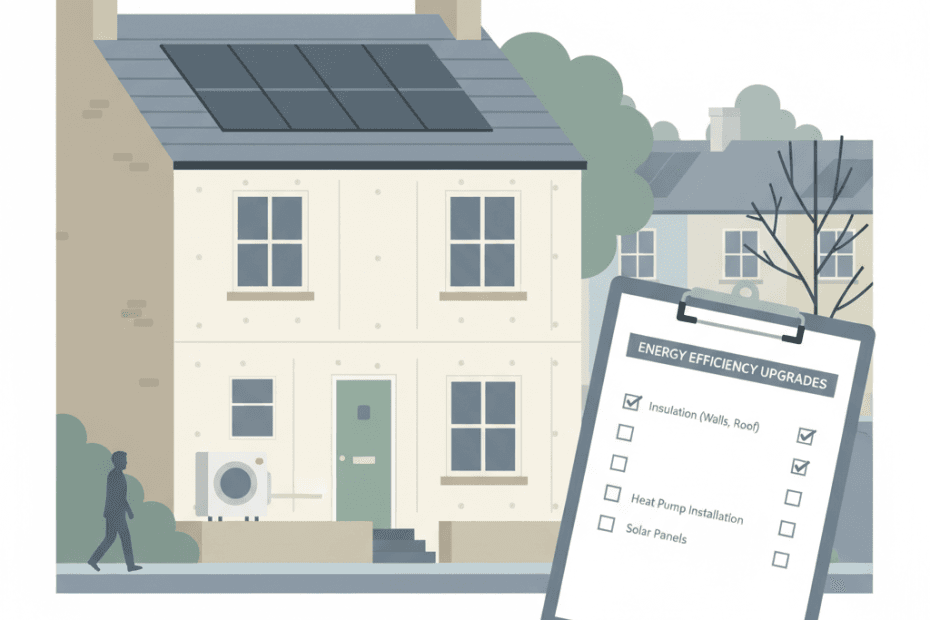
The broad scheme design remains familiar. Local authorities use allocated funding to install energy performance upgrades and low carbon heating in eligible homes. Measures may include insulation, solar panels and air source heat pumps where suitable. GOV.UK says upgrades should be tailored to individual homes, and occupants will not contribute to the cost of upgrades.
The scheme applies in England and is focused on households that are low income, privately owned and rated EPC D to G. That includes owner-occupied homes and privately rented homes. Local authority applications for funding closed in December 2024, and the government says eligible councils that submitted expressions of interest have been allocated funding.
Why landlords should pay attention
Many private landlords will not need to do anything immediately. The practical contact point is likely to be the local authority, and each council’s delivery arrangements may vary. But landlords with older, colder or lower-rated properties should be alert to local announcements, especially where tenants may meet the household eligibility criteria.
Grant-backed work can still affect everyday property management. Landlords may need to understand what a council or delivery partner is proposing, whether the property is eligible, how access will be arranged, what permissions are needed and how records will be kept. Where low carbon heating or fabric upgrades are involved, landlords should also consider future maintenance responsibilities, warranties and tenant handover information.
The update is also a reminder that energy efficiency is becoming a more active part of rented housing standards. Here4 Landlords has previously covered wider Warm Homes changes, and this latest grant guidance sits in the same direction of travel: better-performing homes, more retrofit oversight and closer links between housing quality, affordability and local delivery.
Checks to make now
Landlords do not need to treat the update as a reason to rush into unsuitable works. A sensible first step is to check the current EPC rating and age of any lower-performing property, then watch for council communications about Warm Homes delivery in the area. If a tenant raises the scheme, landlords can check the GOV.UK page and the relevant local authority information before making commitments.
It is also worth keeping retrofit paperwork tidy. If work is proposed, keep copies of council correspondence, installer details, consents, guarantees, product information and post-installation instructions. That record can help with future maintenance, tenancy queries, insurance questions and any later sale or refinancing process.
Landlords should also avoid assuming that every energy measure will suit every home. The official guidance says upgrades should be tailored to individual properties. In practice, that makes survey quality and competent installation important, particularly where insulation, ventilation, heating changes or solar equipment could affect the way the property performs.
Where there is any uncertainty about ownership consent, lease restrictions, planning issues, building control, tax treatment or contractual responsibility, landlords should use the official guidance as a starting point and take appropriate professional advice. The key point for now is informational: the July update gives councils a refreshed delivery framework, and landlords with eligible privately rented homes may see more local retrofit activity as a result.
Source: GOV.UK, Warm Homes: Local Grant guidance for local authorities.


