
News from 16 June 2026
Find help with safety checks and inspections.
Housing Ombudsman cases involving Guinness Partnership and Hammersmith and Fulham have led to changes in how the social landlords handle pests. The complaints included repeated treatment, delays and serious effects on households with children.
Why the Ombudsman focused on pests
The Ombudsman said both cases involved severe impact on households, including children. One complaint involved mice infestation and long delays to works. Another involved bed bugs, limited escalation and too little consideration of alternative treatment methods.
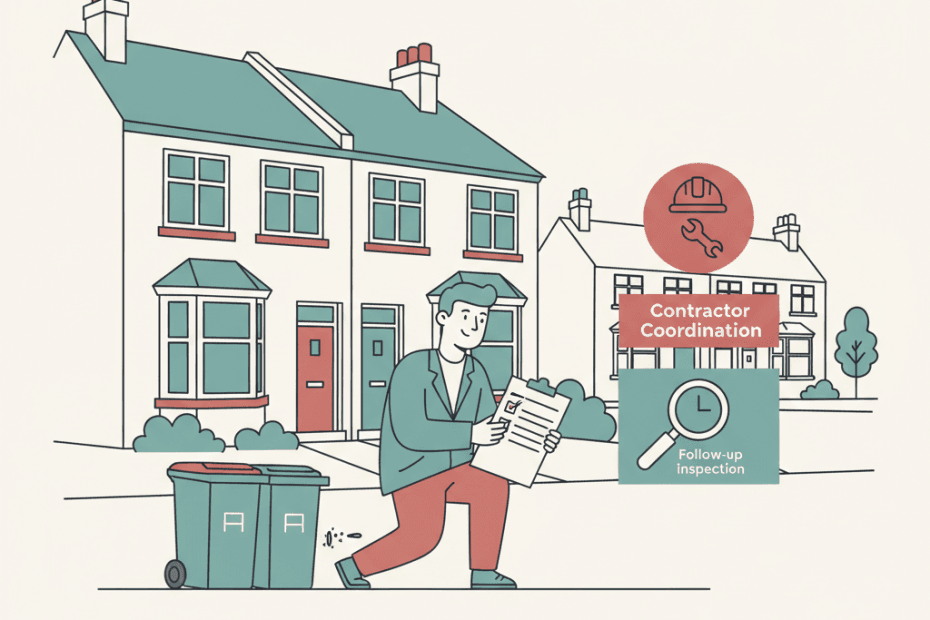
The key lesson is that pest reports need active case management. A landlord may use a pest-control contractor, a repairs contractor, a managing agent, a freeholder or a local authority service, but the tenant still needs one joined-up response. Where each party waits for another to act, the problem can continue for weeks or months while evidence becomes harder to track.
Richard Blakeway, the Housing Ombudsman, said there can be confusion over responsibility between landlord and resident, and that insects can be under-recognised compared with rats and mice. He also noted that the pest hazard will eventually come under Awaab’s Law, making preparation and proactive action important.
What changed after the cases
Guinness Partnership updated its pest procedure so it recognised responsibility for reports of pests accessing homes from communal areas, rather than only pests reported within communal areas. It also improved systems for recording post-works inspections, created a complex repairs team, reviewed contractor processes and provided training to repairs teams.
Hammersmith and Fulham created a new pest-control policy, expanded the use of specialist contractors where alternative treatment methods are needed, updated resident guidance, added support for households with vulnerabilities, delivered public-health-led training and introduced a pest-control dashboard to improve records and identify repeat visits.
The practical direction is clear: landlords need policies that explain responsibility, systems that show what has happened, and escalation routes when ordinary treatment has not solved the problem.


